01 SILICONE / PAD
01 / FLEXIBLE ELEMENT
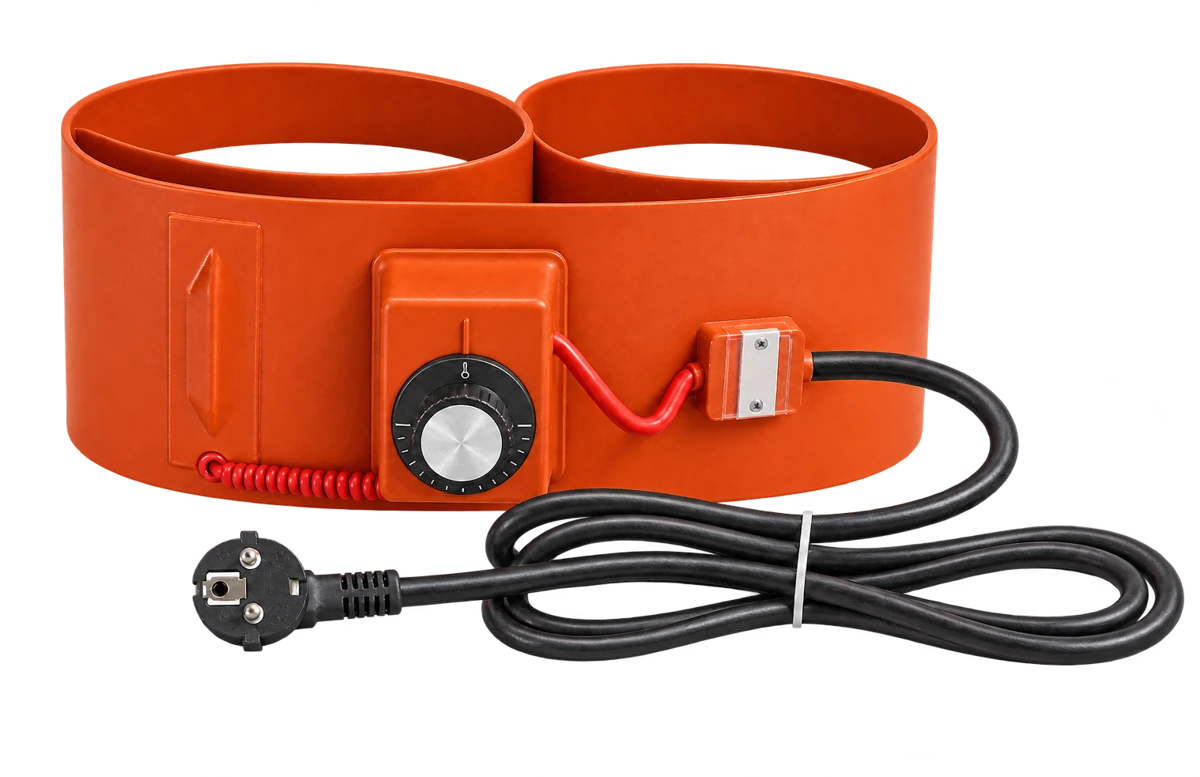
Silicone rubber heating pad
A silicone-insulated resistance element transfers heat into a compatible flat or curved surface.- Outline and cutouts
- contact and attachment
- temperature, voltage and power
 电热展Flexible Heating Products
FLEXIBLE HEATING PRODUCTS
From silicone pads, bands and tapes to polyimide films and ceramic pads: choose the construction around contact, temperature and process.
PRODUCT MATRIX
01 / FLEXIBLE ELEMENT
02 / FLEXIBLE ELEMENT
03 / FLEXIBLE ELEMENT

04 / FLEXIBLE ELEMENT
05 / FLEXIBLE ELEMENT
06 / FLEXIBLE ELEMENT
STRUCTURE EXPLORER
STRUCTURE COMPARISON
| Family | Checks before selection |
|---|---|
| Silicone rubber heating pad | Outline and cutouts; contact and attachment; temperature, voltage and power |
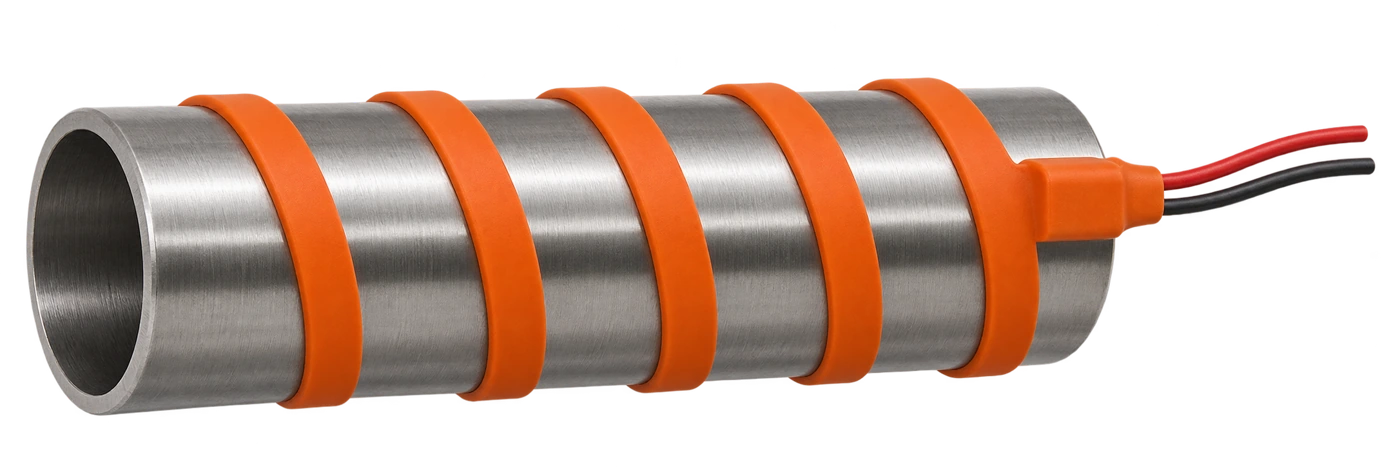
| Silicone rubber band heater | Cylinder diameter and width; straps or springs; sensing and lead routing |
| Silicone rubber heating tape | Pipe diameter and heated length; wrap spacing; control, insulation and environment |
| Silicone rubber heater sheet | Thickness and outline; wire or etched foil; bonding and contact face |
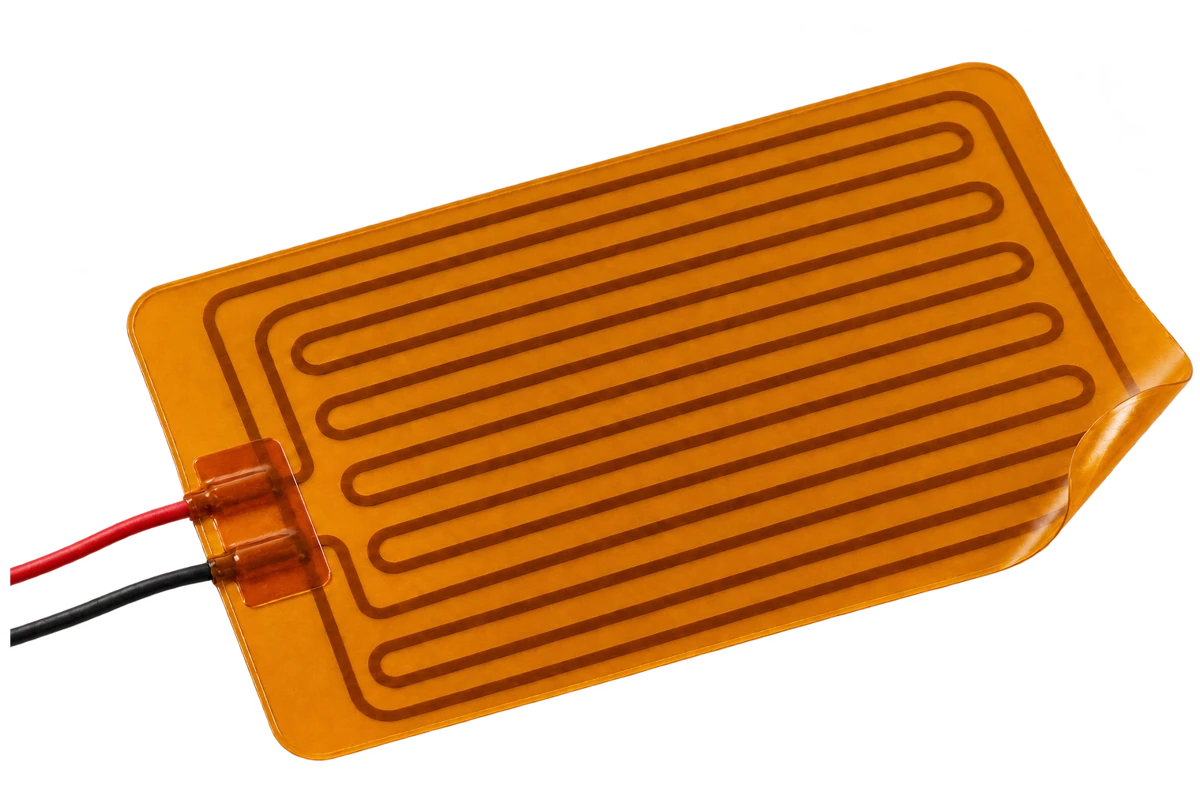
| Polyimide film heater | Outline, holes and active area; adhesive; lead strain and bending limits |
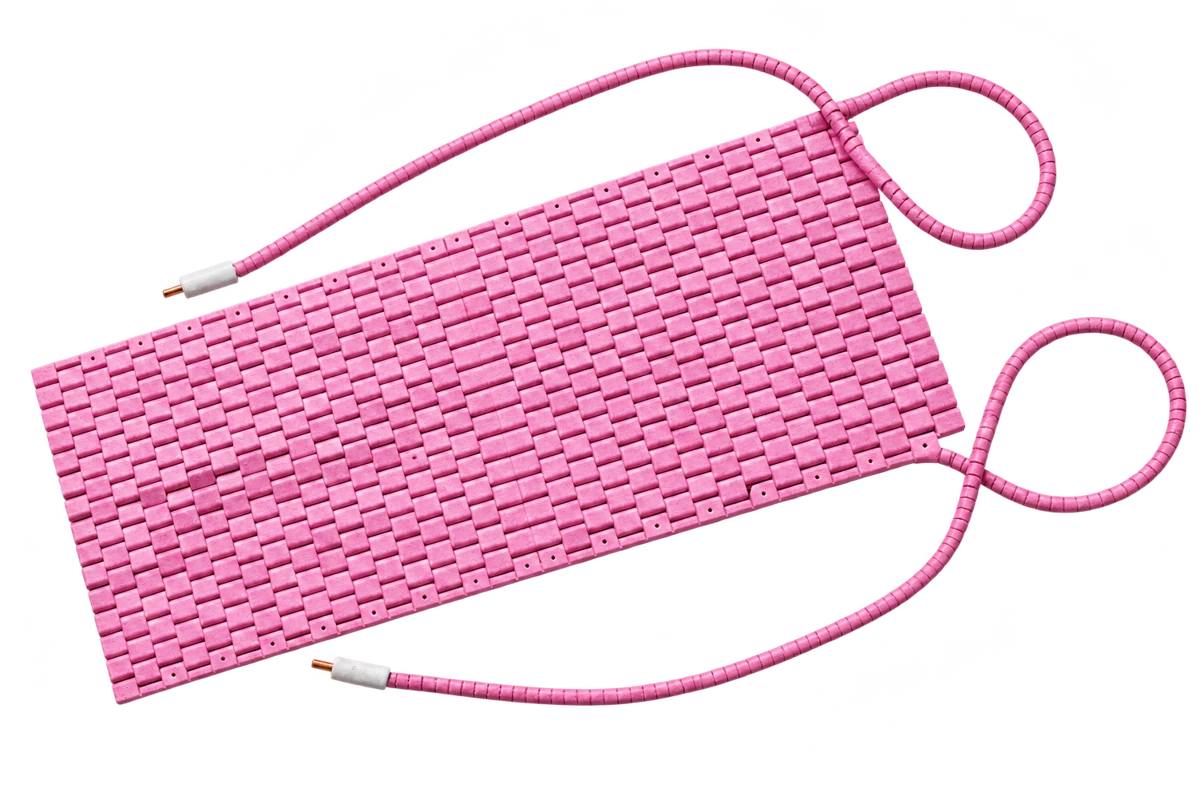
| Flexible ceramic pad heater | Material and weld dimensions; heated width and coverage; procedure and sensing |
CONTACT AREA CHECK
SELECTION INPUTS
Outline, curvature, holes, contact area and attachment.
Target temperature, warm-up time, power, voltage and zones.
Operating sensor, independent overtemperature protection and lead guarding.
Moisture, chemicals, insulation, abrasion and access.
Minimum bend limits, no creases, lead strain and support.
Material, weld, thermal procedure, thermocouples and acceptance.
CONTROL & PROTECTION
Avoid unsupported hot spots and creases; follow product fixing instructions.
Place the sensor to represent the heated surface; a dial setting is not workpiece temperature.
Review runaway, detachment and unloaded operation when specifying limits.
Use qualified control and recording procedures for ceramic-pad heat treatment.
Avoid unsupported hot spots and creases; follow product fixing instructions. Isolate power and investigate before restoring operation.
Place the sensor to represent the heated surface; a dial setting is not workpiece temperature. Isolate power and investigate before restoring operation.
Review runaway, detachment and unloaded operation when specifying limits. Isolate power and investigate before restoring operation.
Use qualified control and recording procedures for ceramic-pad heat treatment. Isolate power and investigate before restoring operation.
APPLICATION DIRECTIONS
Match silicone or polyimide construction to surface and duty.
Review heated width, wrapping, sensing and insulation.
Specify ceramic pads against the material and qualified procedure.
PRODUCTS IN APPLICATION
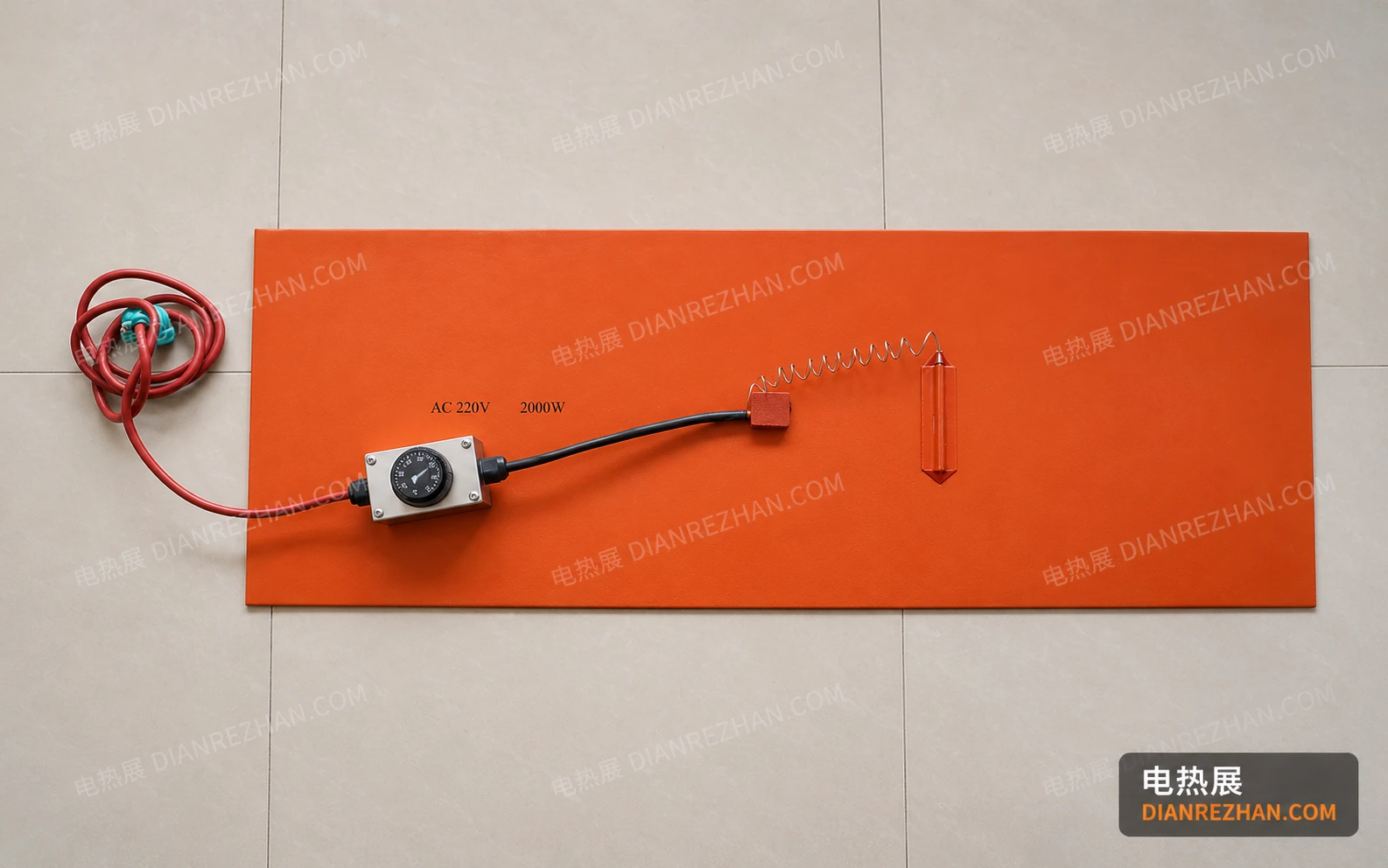
A supplied view of the sheet, leads and control arrangement.
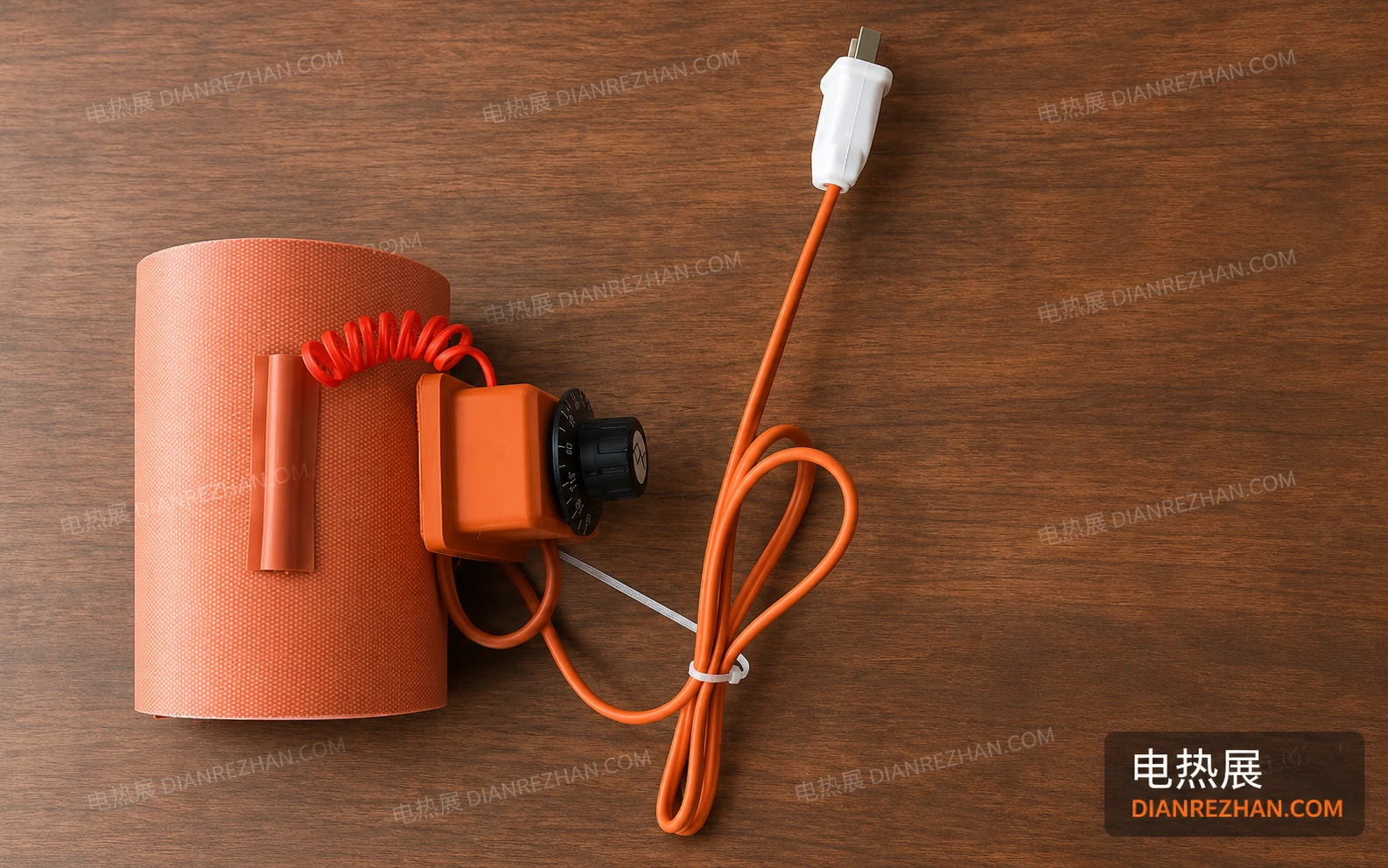
Flexible band and leads; confirm the mounting dimensions separately.
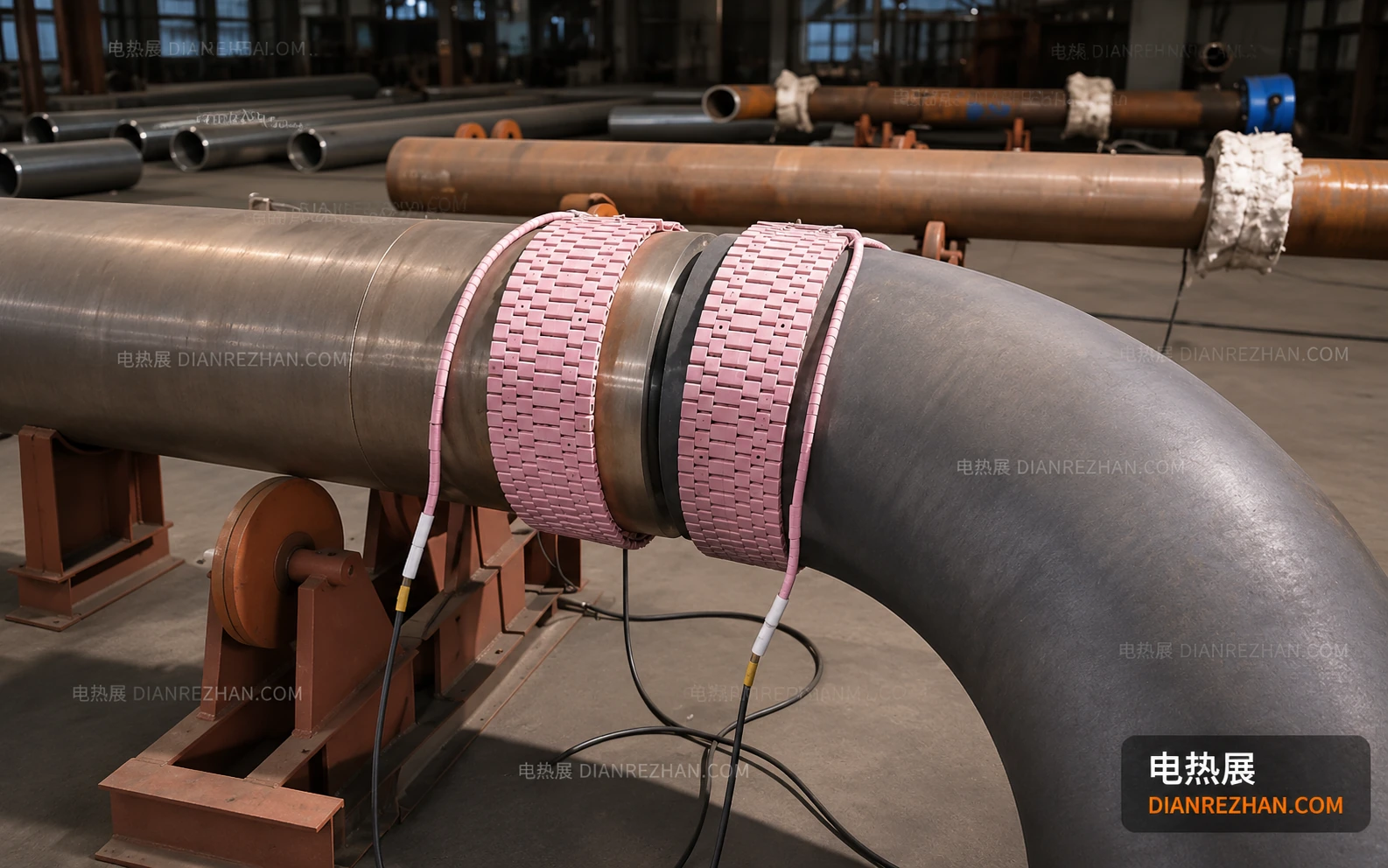
Heated coverage and lead routing near a pipe elbow.
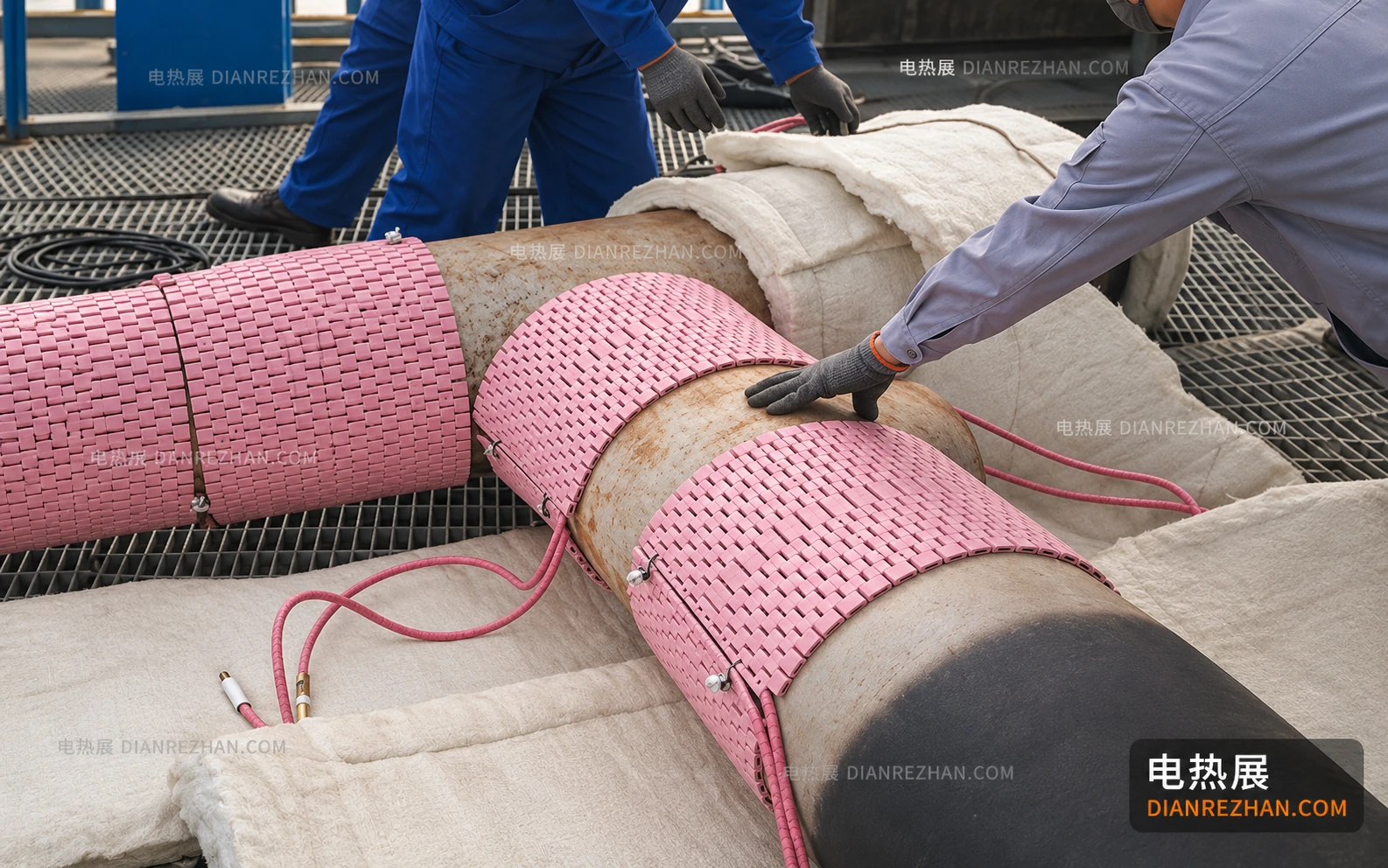
Ceramic pads arranged around a pipe; the process requires separate review.
Lighting and presentation edited from supplied photographs; not named customer projects or evidence of process acceptance.
Prepare these inputs before selection
KNOWLEDGE BASE
Not necessarily. Naming overlaps; check wire or etched-foil construction, insulation, thickness and installation.
Do not interchange them by name. Insulation, duty, power supply and control procedures differ.
Do not assume so. Detachment, folding or overlap can create hot spots; follow the specific installation instructions.
There is no universal rating. Review materials, adhesives, attachment, controls and heat dissipation together.
Appearance or insulation material does not establish a rating. Hazardous-area service needs an assessed design and certification scope.
The PI and silicone-tape images are structural visualizations. Confirm drawings and actual product documentation before specifying or manufacturing.
YOUR REQUIREMENTS
Start with the information available; drawings or sample details can follow during discussion.